- Building Materials
- Roofing, Fascias & Soffits
- Drainage and Underground
- Timber
- Landscaping & Gardening
- Tools & Workwear
- Hardware & Fixings
-
Painting and Decorating
- Painting and Decorating
- View all Painting and Decorating
- Painting and Decorating
-
Sealants, Mastics and Glue
- Sealants, Mastics and Glue
- View all Sealants, Mastics and Glue
- Glue, Adhesives, Anchor Resin
- Damp Proof Solutions
- Sealants, Mastic, Adhesive, Lubricant
- Concrete Repair, Release Oil, Flooring
- Driveway and Patio Sealers
- Cleaners, Floor Protection
- Roof Repair
- Tiles, Tile Accessories, Tile Adhesives, Grout, Levelling Compound
- Masking Tape
- Mastic Guns
- Plumbing & Heating
- Electrical
- Special Offers
-
VAT: Inc Ex

Recent Posts
Blog
-
- October 01, 2025
Sheet materials are manufactured boards used across construction, joinery, and furniture making. Unlike solid timber, they are engineered to be more stable, consistent and cost effective.
Each board type has its own properties, making it better suited to specific applications. The goal of this guide is to give you a better understanding of each type, and help you make a decision that’s best for your project.
From plywood and OSB to MDF and chipboard, knowing their differences helps you choose the right product.
With such a wide selection, choosing the right sheet material can make a big difference to both the look and performance of your project.
Plywood Sheets
Key features of plywood
Plywood is made by bonding thin veneers of timber with the grain running at right angles. This cross-layering gives excellent stability, reducing the risk of warping or splitting.
It is strong, durable, and available in a wide range of thicknesses and grades, including structural and marine ply for
-
- August 25, 2025
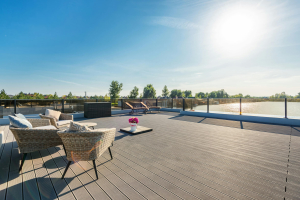
Knowing how to lay composite decking is a handy skill to have in your locker, and it doesn’t need to be as overcomplicated as you may think. With the right tools, foundation, and installation method, you can build a low-maintenance outdoor space that looks smart.
This guide aims to make the process as simple to understand as possible, alongside covering all the recommended installation tips, tools, and FAQs that most of our customers have.
What is composite decking?
Composite decking boards are made from a blend of recycled plastic and wood fibres. Unlike timber decking, they’re much more resistant to rot, splintering, and weathering. This makes them ideal for UK gardens, patios, and terraces.
Composite decking is stocked in many finishes, so there is always something that fits your desired look. Prices can be affordable, with the average board costing about £30, and up to £50 per board for matching edge options.
Step 1. Assess your foundation, which is best?
Before fitting any boards,
-
- June 25, 2025
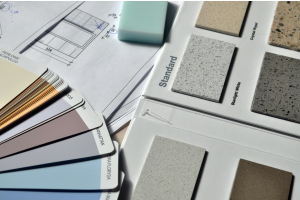
Knowing how to estimate building materials quickly is a key skill to have for both DIYers and tradespeople. It helps you stay on budget, avoid costly delays, over ordering, and wasted materials.
You may be pricing up a potential home extension or preparing for a new site development. This guide will explain how to estimate building materials in the best way and what methods to use.
How To Estimate Building Materials For Home Construction
When planning a residential project, your first material estimate should be done early, ideally at the concept stage.
Even a rough takeoff can help gauge feasibility. Once you have approved plans or architectural drawings, a more detailed quantity takeoff (QTO) can begin.
The best approach? Review your blueprints and break the build down into key phases. These might be: groundwork, foundations, structure, roofing, insulation, finishes, etc.
For each phase, list the materials required: bricks, blocks, timber, insulation, fixings, adhesives, and